

Electric vs Diesel Commercial Cars: Which Is Better in 2026?
If you are considering purchasing in 2026, the decision between buying an electric commercial car and a diesel vehicle will depend heavily on your budget, usage, and planning. Nowadays, companies analyse fuel savings, the maintenance a car requires, and how the car is used daily before deciding to buy a commercial car. Our vehicle selection in XL Motor Trading takes into account how each option will work in actual situations of a working environment across Singapore.
Electric And Diesel Commercial Vehicles Explained
Electric commercial cars work on battery power as a replacement for fuel. They consist of an electric motor that, apart from delivering the vehicle with the necessary power, also modifies the character of the car, making it quieter and providing a less complex design feature. Diesel commercial vehicles run their engines based on combustion of fuel, and the transportation and logistics sector has been making use of such vehicles on a large scale for years. While both kinds are alive and kicking in 2026, the determining factor of their usage is the needs of the vehicle. For example, electric cars are generally the choice for those involved in light defined delivery, whereas the diesel cars still hold the ground for the heavy-duty or long-distance work.
Operating Costs And Daily Expenses
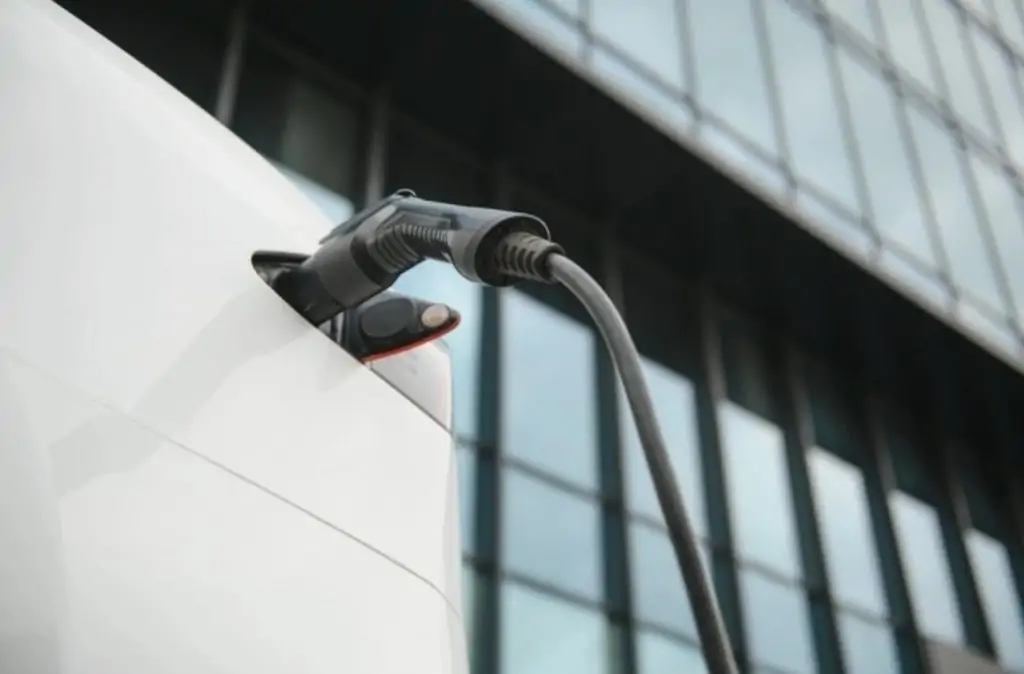
Running costs are one of the main considerations when buying a commercial vehicle. Diesel cars need to be refuelled periodically, and the prices of diesel can fluctuate quite frequently. This factor complicates any company’s attempts at long-range planning. An electric commercial car is powered by electricity, and its cost is usually more stable. Besides, charging usually costs less than refuelling, and that is especially the case for those who live in cities and use cars on a daily basis. Companies whose vehicles do only fixed route operations can also take advantage of electric cars since the energy prices will be quite stable. Diesel cars still have their merits when long distances are covered.
Grant from the Singapore Government
In addition to a possible electric commercial car purchase, businesses might also be eligible for government grants that aim to incentivise a cleaner alternative transportation model. This depends on the set of criteria and current policies available, but such grants could potentially contribute towards reducing the initial cost of equipping a fleet with electric commercial cars. This factor adds benefit to businesses looking to acquire a commercial car, as it could offset some initial costs. Note that grant policies and eligibility rules may evolve, so referring to the current list of programs is encouraged prior to buying a commercial car.
Maintenance And Repair Differences
Maintenance is a significant factor that differentiates these two options. Diesel engines comprise a considerable number of components, which naturally involve more deterioration due to regular usage. In order to maintain the engine, filters, and exhaust system functioning optimally, continuous servicing is indispensable. On the other hand, electric commercial vehicles operate with fewer components that constantly move, hence maintenance is generally minimal. Oil changes or complicated engine servicing are not required; in fact, there is no need for these at all.
Performance And Daily Usage
A vehicle’s performance largely depends on its daily usage, which is how the vehicle is driven. Electric commercial car models deliver a smooth and immediate power, which comes as a great help for city driving scenarios. Besides, they are much more convenient for use in the continuous stop-and-go traffic typical of cities. On the contrary, diesel vehicles supply mighty torque, which is very advantageous when the vehicle is loaded heavily and travelling over a longer distance. If a company mostly does regular deliveries in the urban areas, then electric vehicles can be a great help in raising the overall efficiency. However, for the sectors that are totally dependent on heavy transport, diesel vehicles are still the best option.
Charging Vs Refuelling Infrastructure
Decision-making is greatly affected by infrastructure. The number of electric vehicle charging points in Singapore is rapidly growing, thus running an electric commercial vehicle is becoming more and more convenient. Besides, charging can be carried out both at depots and other designated points. Diesel refuelling stations are everywhere, and filling up time is very short. Nevertheless, charging is being upgraded with technologies that can make the charging time as short as refuelling breaks. Companies need to take into account vehicle usage frequency as well as whether the charging time works with their operations schedule.
Commercial Vehicle Emission Scheme (CVES)
The Commercial Vehicle Emissions Scheme (CVES) may apply to your choice of electric commercial vehicle. Low-emission commercial vehicles (and the majority of electric commercial cars will fall into this category) may be eligible for cash rebates that would reduce the initial purchase cost. Conversely, high-emission commercial vehicles may be subject to a surcharge. This incentive is designed to offset the high initial capital expenditure while ensuring lower running costs and greater sustainability. When considering your commercial car, review the criteria for eligibility and the rebate sums, as these can change. These incentives should make the option of an electric commercial car a more attractive option.
Resale Value and Market Trends
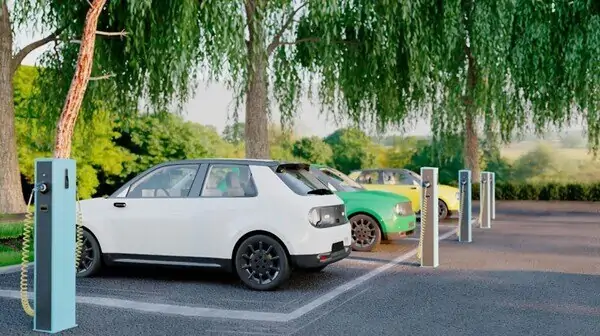
The resale value of a vehicle is tied to how much it is sought after and the condition it is in. For a long time, diesel vehicles have been able to maintain their value, particularly in sectors that require heavy-duty materials transport. That said, the popularity of electric commercial vehicle alternatives is on the rise, and this is impacting the resale market. Individuals looking for a different commercial vehicle are also considering electric ones now. An electric commercial vehicle in Singapore is likely to be appealing to those who prefer lower running costs. Over time, the market is showing signs of shifting slowly towards electric vehicles.
Key Factors To Consider Before Buying
- How far and what sort of roads will be travelled daily?
- How much carrying capacity is necessary?
- Will the fuel or power cost increase in the long run?
- What will be the maintenance and repair schedule?
- Are charging and refuelling stations easily reachable?
- What are the environmental targets for the future?
Every one of these points is a piece of the puzzle in deciding whether an electric or diesel vehicle is the best fit.
Electric Vs Diesel Commercial Vehicles
|
Characteristic |
Electric Commercial Car |
Diesel Commercial Vehicle |
|
Primary Energy Source |
Electricity |
Diesel fuel |
|
Operating Cost |
Generally lower and steadier |
Generally higher and more variable |
|
Maintenance |
Fewer parts, less frequent servicing |
More parts, more frequent servicing |
|
Performance |
Quiet and smooth; ideal for the city |
Capable of carrying a heavy load and a long trip |
|
Infrastructure |
Charging points are increasing |
Fuel stations are well-established |
|
Environmental Impact |
No tailpipe emissions |
Emits pollutants |
|
Popularity Level |
Rising gradually |
Still popular but diminishing |
Conclusion
Deciding between an electric commercial car or a diesel one in 2026 really comes down to how you plan to use it. Electric vehicles shine in city traffic; they’re cheaper to run and don’t need as much fixing. But if you’re hauling heavy loads or driving far, diesel is tough to beat. At XL Motor Trading, everything starts with figuring out what your business actually needs, then finding the perfect fit.
