

Top Features to Look for in Modern Electric Powered Lorries
Buying electric powered lorries involves more than checking whether the vehicle can run on a full battery. The lorry still needs to handle the work it will be used for. Its range should suit the route, its payload should suit the load, and the charging setup should fit into the daily schedule.
At XL Motor, we look at these factors together when helping customers choose a vehicle. Different electric truck features may matter more depending on what the lorry carries, how far it travels and how often it operates.
How Important Is Battery Range?
Battery range is usually one of the first things buyers look at, and for good reason. The vehicle needs enough range to complete its planned work. But actual energy use can change depending on the load, traffic, road conditions, route and weather.
When comparing electric powered lorries, start with the routes the vehicle will actually travel. Look at the total distance, the number of trips and when the vehicle can be charged. A stated range figure is useful, but it should be considered alongside real operating conditions.
Why Should Payload Be Checked Carefully?
The vehicle still has to carry what the business needs it to carry. Since the battery system is part of the vehicle’s overall weight, payload is something that should be checked before making a decision.
Different electric truck features also need to work together. A battery may suit the distance the vehicle travels, but that alone does not mean the lorry suits the job. The available payload needs to match the expected load. At XL Motor, we consider these requirements together rather than looking at one specification on its own.
What Safety Features Should Buyers Look For?
Safety needs can change depending on where and how the vehicle will operate. Depending on the model, available features may support braking, driver awareness, vehicle stability and visibility.
Modern EV technology may also support systems that monitor vehicle operation and provide useful information to the driver. Before choosing a vehicle, check what is included and what may be optional. It is also worth checking whether those features are available for the configuration you are considering.
How Can Telematics Support Daily Operations?

Telematics can provide information about how a vehicle is being used. Depending on the system, this may include location, energy use, battery status, driving data and other operational details.
For fleet operators, telematics is one of the electric truck features worth checking closely. The available data may help businesses understand how vehicles are being used and plan around actual operating patterns. We recommend looking at the information the system provides and deciding whether it will be useful for your fleet.
What Should You Check About Charging?
Charging has to fit into the working day. Before choosing a vehicle, think about where it will be charged, how long charging may take and whether the available charging setup suits the vehicle’s intended use.
Useful points to check include:
- Battery capacity and expected energy needs
- Available charging locations
- Charging equipment compatibility
- Expected charging time
- Daily route and operating schedule
- Opportunities to charge between trips
- Electricity supply requirements at the charging location
These factors are important when assessing electric commercial vehicles for common everyday use. The vehicle may match the route, but the charging system has to fit the daily schedule.
How Does EV Technology Affect Vehicle Selection?
It’s not just the battery itself that contributes to an EV’s technical specification. How the vehicle manages the energy within it, its charging system, and monitoring systems can also influence its everyday use.
It also helps to look at how these systems work together. Data about energy use could be particularly helpful for planning the most efficient routes. The capacity of a battery and the charging requirements could be important in determining vehicle schedules too. Considering the entire picture may help you to weigh up smart commercial vehicles according to your business’s specific requirements.
Key Features to Compare Before Choosing a Vehicle
Feature | What to Check | Why It Matters |
Range of the battery | Estimated range for the specific use | Will need to be appropriate for planned routes and daily travel |
Payload | Capacity of the vehicle | Payload available to carry the required load |
Safety systems | Built-in and available safety functions | Must be appropriate to the operating environment |
Telematics | Vehicle information and operational data available | Can support fleet planning and control |
| Charging | Compatibility | Locations and time required to charge | Should fit into the work schedule |
| Energy management | How the vehicle is managing and reporting energy utilisation | Enables daily operational assessment |
Looking at these areas (together) gives a more complete picture of the vehicle. Smart commercial vehicles can have different combinations of connected systems and vehicle functions. What matters is whether those functions are useful for the work your fleet actually does.
Should the Vehicle Be Matched to the Job?
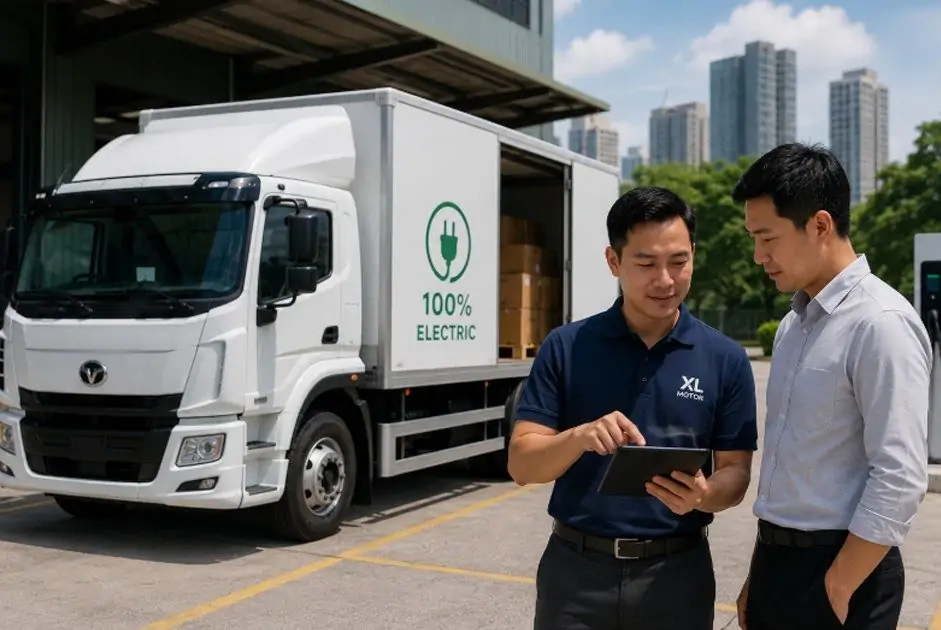
Yes. The work should come first when choosing a vehicle. A lorry running on predictable local routes may have very different needs from one travelling longer distances or carrying heavier loads.
This is where EV technology should be looked at in practical terms. At XL Motor, we help customers consider the vehicle alongside their routes, payload needs and charging arrangements. We can then look at whether the vehicle configuration suits the intended work.
Choosing the Right Features for Your Fleet
When comparing electric powered lorries, begin with the job the vehicle needs to do. Check the route, expected load, daily distance and charging options before getting too focused on individual specifications.
We also recommend comparing how available smart commercial vehicles handle safety, telematics, charging and energy management. At XL Motor, we can help businesses review these requirements and consider which vehicle features make sense for their day-to-day operations.
